
Sponge Iron
Direct reduction processes can be divided roughly into two categories: gas-based and coal-based. In both cases, the objective of the process is to remove the oxygen contained in various forms of iron ore (sized ore, concentrates, pellets, mill scale, furnace dust, etc.) in order to convert the ore to metallic iron, without melting it (below 1,200 °C (2,190 °F)).
The direct reduction process is comparatively energy efficient. Steel made using DRI requires significantly less fuel, in that a traditional blast furnace is not needed. DRI is most commonly made into steel using electric arc furnaces to take advantage of the heat produced by the DRI product.

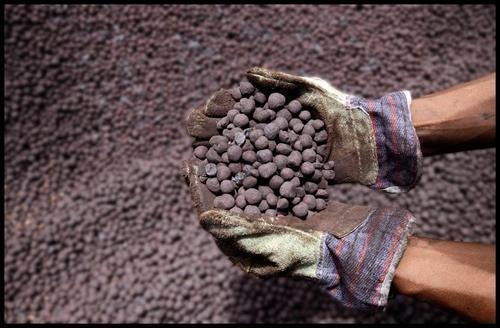
Sponge Iron Pellets
Sponge Iron Pellets are high-quality, uniform raw materials specially designed for use in Direct Reduced Iron (DRI) production. Made from carefully processed iron ore fines, these pellets provide a clean, consistent, and efficient feed for rotary kilns and gas-based DRI plants.
Leading coal company specializing in coal washing, trading, transportation, with state-of-the-art facilities and efficient services.
Phil Group - Copyright 2026. All rights reserved | Powered By Exabyte Technologies
